

Island guide
Rabbit Island (Koh Tonsay)
Kampot Guide · 10 November 2026
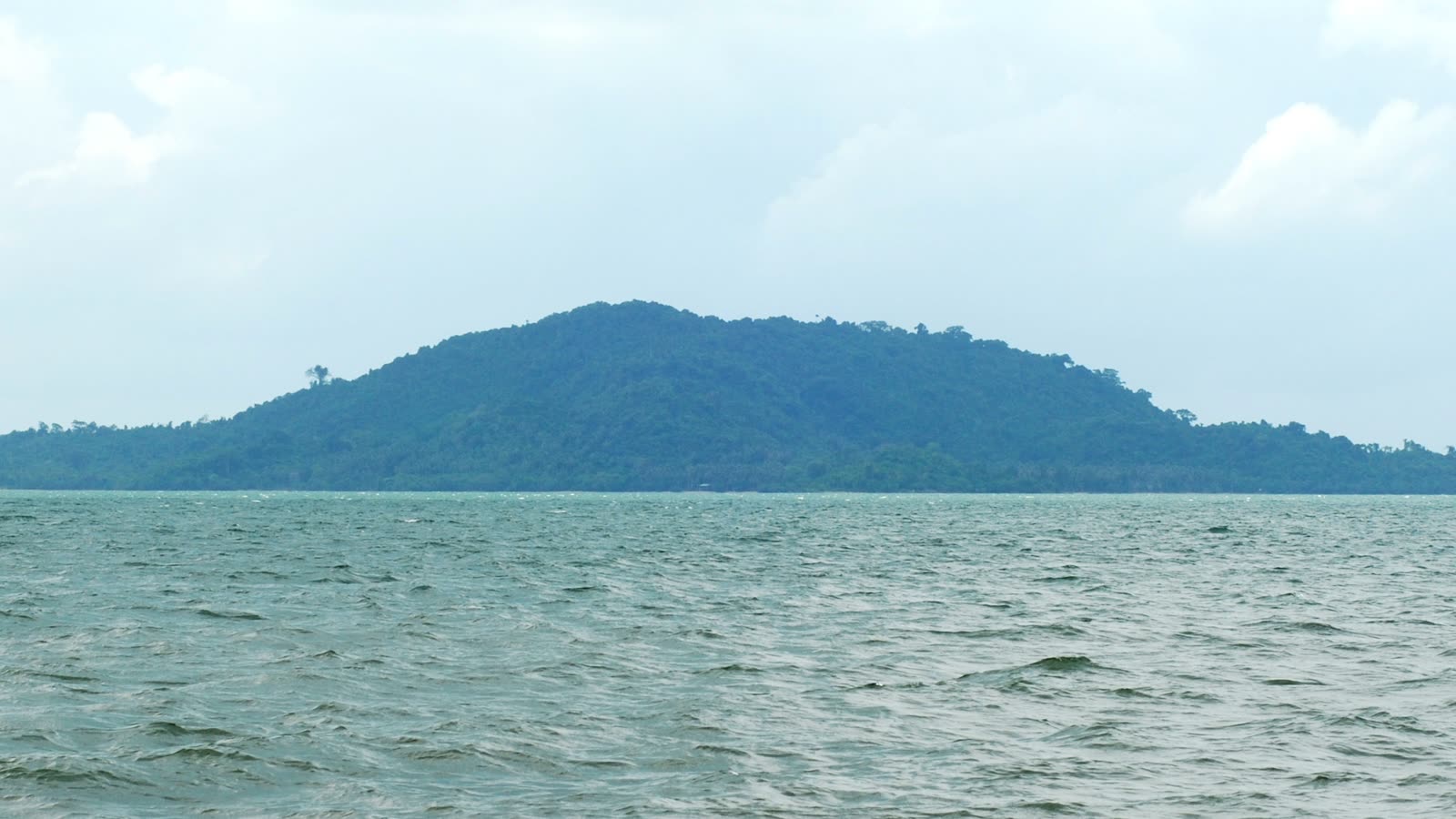
What Rabbit Island is
Rabbit Island is the English name for Koh Tonsay, a small island off Cambodia's south coast in the Gulf of Thailand, administered as part of Kep Province. It's a simple beach outing from Kampot, not a resort island and not a suburb of Kampot town. Travellers come for a sandy main beach, a short boat crossing, and a slow day or a rustic night, then go back to Kep or on to Kampot.
This guide is for people staying in Kampot, or passing through, who want to know how the trip actually works. It doesn't invent boat fares, a timetable, or bungalow prices. Recent guides and older guidebooks don't all agree on those figures, and there's no reliably published official schedule online. Confirm the fare, the departure and the last boat back at the official ticket office in Kep on the day you go.
If you're still planning the rest of your stay, use things to do in Kampot for the farm loop, the river and Bokor, and where to stay in Kampot if you haven't picked a base yet.
Where it sits, and the name
Koh Tonsay lies about 4 km south of Kep town. Wikipedia and a Kep practical guide that maps the crossing both use that distance. The island's area is given as around 2 square kilometres. The surrounding water is described as shallow, with a gradually sloping seabed, which is why swimming close to shore can feel gentle when the sea is calm.
The Khmer name translates as Rabbit Island. That's the name you'll see on tickets and maps. Explanations of how the island got the name don't all agree, so this page doesn't treat any one origin story as settled fact, and it doesn't promise rabbits.
Facilities are basic. Wikipedia and long-running guides describe individually run guesthouses on the main beach, and fishing families living on other parts of the shore. Larger development on the island has been reported in recent years, so what you find at the jetty and along the trees can change. Judge the place as it is on the day, and don't assume an old photo still matches the beach.
Koh Tonsay isn't Koh Rong. It's much smaller, and you reach it from Kep, not from Sihanoukville. If someone quotes you a long ferry, you're probably talking about a different island.
How to get there from Kampot
The usual route is a two-step trip: Kampot to the Kep pier by road, then Kep to the island by boat. Boats don't leave from Kampot's riverfront as a scheduled public crossing to Koh Tonsay.
Kep is about 25 km from Kampot, or about 30 to 45 minutes by road, according to Canby Publications and Tourism Cambodia. The road is the same Kep-road corridor that passes the salt fields. Many drivers use National Road 33, then the turn toward the Kep beach and pier area. The Kep road hub is the Kampot-side listings page for that corridor, not a map of the island.
A tuk-tuk or a hired car is the usual way to do the road leg as a day trip, because you'll want an agreed pickup for the return from the pier. A motorbike is possible if you are comfortable leaving it in Kep while you are on the island. This guide doesn't publish a road fare. Figures in printed and online guides are not all the same, and they go stale. Agree the fare, waiting time, where the driver will meet you, and whether the salt fields are an optional stop on the way back, before you leave Kampot.
Aim to reach the pier with time to buy a ticket and ask about the last boat back, especially if you're trying to catch a morning crossing and still be in Kampot that evening. Don't plan a tight bus, train or onward connection on the same afternoon. For arrivals into Kampot itself, see getting to Kampot from Phnom Penh or Techo International Airport.
Some operators have advertised a Kampot to Kep river boat that can include a stop at the island. That's a private or tour service, not the public pier boat, and this guide can't confirm that any one service still runs on a given day. If that idea appeals, confirm the current route, the landing point and the return with the operator before you pay. The tours hub lists boat operators in Kampot, including Jasmine Boat Kampot, Friendly Boat Kampot and Kampot Dolphin Ecotours.
The boat from Kep
Public boats leave from the Kep pier area, on the waterfront near the crab market. Lonely Planet, Seth Kampot and a Kep essentials map all point visitors to a Koh Tonsay boat ticket office at that pier. Buy there when you can. Overcharging and unofficial offers are the problem most often reported on this crossing. A person who approaches you on the road or the beach with a boat may be quoting a private-charter price, not the shared public fare.
There's usually a shared public return ticket, priced per person, and a higher price to hire a private boat for a small group. Those are different products. This guide doesn't publish either figure, because recent sources don't all agree. Pay at the official window, ask which product you are buying, and keep the return ticket safe.
There's no reliably published official timetable online. Guidebooks have often described morning and early afternoon departures from Kep, with mid to late afternoon boats back. Other recent write-ups say boats also leave when they have enough passengers and when the sea allows, across a wider stretch of the day. Treat any clock you read in an old guide as a pattern, not a promise. Confirm the day's departures at the ticket office, and before you leave the pier ask, clearly, when the last public boat comes back.
The crossing itself is short. Sources commonly describe it as about 20 to 30 minutes, over those about 4 km of open water. In calm weather it's a simple hop. In wind or rain it can be choppy, and getting on and off is the awkward part. Look at the boat before you board, ask for a life jacket, and put phones and papers in a dry bag. If the sea looks bad, wait. The island will still be there tomorrow.
Kep's crab market sits near the pier, and you may walk past it on the way to the ticket office. If you stop to eat, agree the price, cooking included, before a stall starts cooking, then still leave enough time for your boat.
A day trip or a night on the island
A day trip from Kampot is realistic if you start early, confirm the last boat back, and keep the Kep road simple. A common pattern is: leave Kampot in the morning, buy tickets at the Kep pier, spend the middle of the day on the beach, return to Kep on the last confirmed boat, and reach Kampot again in the late afternoon or early evening. An optional pause at the salt fields works better on the way back, in daylight, and only if your driver has already agreed to it.
A late start only works if you have checked the return. If the last shared boat is mid-afternoon, a lunchtime crossing can leave you with very little time on the island unless you pay for a private boat or stay the night.
Overnight stays suit travellers who want a quieter evening and are happy with basic rooms. Wikipedia and long-running guides describe simple guesthouses and bungalows on the main beach. Travellers often report limited electricity and a generator-or-battery evening rather than a full town grid. This guide doesn't publish room rates. Confirm what is open, whether a meal is included, and how you will get back the next morning, before you decide to stay. If you miss the last public boat without a room, you're on the island for the night whether you planned to be or not.
Carry cash. US dollars and Cambodian riel are both used on this coast, and a small island is a poor place to discover that cards aren't accepted. Broken or heavily marked dollar bills are often refused.
What to do once you land
The main activity is time on the main beach. Lonely Planet describes a fairly short stretch of sand with simple restaurant shacks and bungalows, not a wide white resort beach. Swim when the water is calm, stay in your depth, and watch children closely. The slope may be gentle, but this is still open sea.
Beach shacks serve simple seafood and drinks. Menus and prices change, so ask first. The region's well-known crab with Kampot pepper is easier to find in Kep than it is as a reason to visit the island.
Some visitors walk away from the main beach toward quieter coves or around parts of the island. Independent travel pages describe an informal walk of a couple of hours, not a maintained national-park trail. Wear proper shoes, take drinking water, don't set off late in the day, and turn back if the path is unclear, blocked or wet. Make your steps obvious on overgrown stretches, and don't treat a faint path as a promised circuit.
Snorkelling is sometimes offered around rocky edges or as part of a small boat hop to nearby islets. Visibility and marine life vary. Treat it as a possible extra in calm water, not as the point of the trip, and check any gear before you pay.
What to bring, and the sea in wet months
Bring sun protection, drinking water, a dry bag, a little more cash than you think you need, and any medicine you rely on. A light long-sleeve layer helps in the boat spray and in an afternoon wind. If you may stay over, pack a torch and don't assume you can buy everything on the beach.
Kampot and Kep are hot year-round, with a drier spell roughly from November or December into April and a wetter spell roughly from May into October or early November. Independent climate summaries don't agree on monthly totals, because they use nearby stations rather than a Kampot-town observatory, so this guide doesn't publish a rainfall table. For the crossing, the practical point is simpler. In the drier months the sea is often calmer. From about May to October, the south-west monsoon can bring choppy water and afternoon storms, and boats may run late or not at all. That seasonal caution appears in both a Kep crossing guide and recent Kampot trip write-ups. If you're choosing only one sea day, the drier months are the more reliable window. In the wetter months, keep the plan flexible and have a town or countryside backup from the things to do in Kampot list.
How this fits a Kampot visit
Rabbit Island is a good add-on when you already have two or three days in Kampot and want some sea time, not a replacement for a pepper farm visit or a Bokor day. It doesn't combine well with Bokor on the same date. It can share a day with a short salt-field stop, or sit on a looser Kep-road day, if and only if the boat times you were given still leave enough time on the island.
For food back in town, use Where to eat in Kampot. For a first day in the grid, use A slower first day in Kampot and the 3-day itinerary. The Kampot tourist map helps you see how the Kep road sits relative to town, the salt fields and the river.
Places in this guide
Cards come from the directory. A missing or closed listing is left out. Fares and times stay off this page.
Plan the road and the boat
The Kep road hub lists places on the way to the pier. The tours hub lists boat operators in Kampot. Confirm the public crossing at the Kep ticket office on the day.
Questions
How do you get to Rabbit Island from Kampot?
Go by road from Kampot to the boat pier in Kep, then take a boat to the island. Kep is about 25 km from Kampot, or about 30 to 45 minutes by road, according to Canby Publications and Tourism Cambodia. Agree the fare, waiting time and the return with your driver before you leave. Boats don't leave from Kampot town itself. Some operators have advertised a Kampot-Kep river boat that can include an island stop. Confirm whether any such service still runs before you plan around it.
How do you get to Rabbit Island from Kep?
Boats leave from the Kep pier area, near the waterfront and the crab market. Buy a ticket at the official Koh Tonsay boat ticket office when you can, rather than from someone who approaches you on the road or beach. Confirm the departure, whether the price is per person on a shared public boat or for a private charter, and the time of the last boat back that day.
Is there a fixed boat timetable to Rabbit Island?
There's no reliably published official timetable online. Guidebooks have often described morning and early afternoon boats out, with mid to late afternoon boats back, but other recent write-ups say boats also leave when they have enough passengers and when the sea allows. Treat any clock you read as a pattern, not a promise. Confirm times at the ticket office, and ask for the last public boat back before you cross, especially if you are not staying overnight.
How much is the boat to Rabbit Island?
This guide doesn't publish a fare, because recent sources don't all agree, and prices change. There is usually a shared public return fare per person, and a higher price to charter a private boat for a small group. Those are different products. Pay at the official ticket office, and make sure you know which one you are buying. Keep the return ticket safe.
Is Rabbit Island worth visiting?
It's worth it if you want a simple sea day or a rustic overnight within easy reach of Kampot, and you are happy with a small island, a narrow beach, and basic facilities. It isn't a substitute for Koh Rong, and it isn't a developed resort. If you only want a short swim and a seafood lunch, a day trip can be enough, provided you've confirmed the last boat back. If the sea looks rough, wait.
Can you stay overnight on Rabbit Island?
Yes. There are simple, individually run guesthouses and bungalows on the main beach, and fishing families live on other stretches of shore. Conditions are basic, and travellers often report limited power. This guide doesn't publish room rates, because figures in older guides go stale. Confirm what is open, what is included, and how you will get back the next day, before you decide to stay.
Are there rabbits on Rabbit Island?
The Khmer name Koh Tonsay translates as Rabbit Island. That's the name, not a promise that you'll see rabbits. Explanations of how the island got the name don't all agree, so this guide doesn't treat any one origin story as settled fact. Don't plan the trip as a wildlife visit.
How long is the boat crossing?
The island sits about 4 km south of Kep town. The crossing is commonly described as about 20 to 30 minutes, depending on the boat and the sea. In rough water it can feel longer, and boarding and landing are the awkward parts. Don't plan a tight bus or onward connection on the same afternoon.
What is there to do on Rabbit Island?
The main activity is time on the main beach: swimming in shallow water when conditions are calm, a simple lunch at a beach shack, and doing very little. Some visitors walk toward quieter stretches of coast. That walk is informal, not a maintained park trail. Wear proper shoes, take water, and turn back if the path is unclear or the light is going. Snorkelling, when it happens, is a bonus in calm water around rocky edges, not the reason to come.
Is the crossing safe in the rainy season?
The sea is often calmer in the drier months, roughly November to April. From about May to October, the south-west monsoon can bring choppy water and afternoon storms, and boats may run late or not at all. Look at the boat and the water before you board, ask for a life jacket, and keep electronics in a dry bag. If the sea looks bad, stay in Kep or go back to Kampot and try another day.
Keep reading
- Things to do in KampotThe farm loop, the river and Bokor
- Salt fieldsAn optional stop on the Kep road
- Toward KepListings on the road to the pier
- Where to eat in KampotMeals back in town
- 3-day Kampot itineraryWhere an island day fits a longer stay
- Kampot tourist mapHow the Kep road sits relative to town
- ToursKampot boat operators to confirm
- Bokor MountainA separate day from the island crossing
Photos: Peter Merrett (public domain, 6 April 2008), via Wikimedia Commons.