

Planning guide
Things to do in Kampot
Kampot Guide · 10 November 2026
How to use this list
The usual things to do in Kampot fall into a few outings, not one long town walk. A countryside loop can take in a pepper farm, Phnom Chhnork, Secret Lake and the salt fields on the road toward Kep. The river through town is for walking, eating, boats and kayaks. Bokor Mountain is a separate full day. In town, the numbered Old Town streets, the Street 720 night market and the riverfront tables are close enough to do on foot once you know your pin.
This page is the planning pillar. It doesn't invent prices, opening hours or entrance fees. When a farm, boat or kitchen publishes hours, those sit on the listing or on the business's own site, which wins if sources disagree. The Kampot tourist map shows how the areas sit relative to each other. The practical 3-day itinerary turns the same outings into a day-by-day plan. Read it with this guide, not instead of it.
How many days you need
Two or three full days is enough for the core mix: one countryside day, time on the river or in town, and a Bokor day if you want the mountain. A single night only fits a short old-town walk and one outing. A fourth day gives room for Teuk Chhou Rapids, a second cave such as Phnom Sorsia or Phnom Kbal Romeas, or a trip toward Kep and Rabbit Island.
Don't try to combine Bokor with a pepper-farm loop on the same day. The 3-day itinerary keeps Bokor as its own day for that reason. Use the map-planning blog so you're not crossing the province twice.
A countryside loop: pepper, caves, Secret Lake and salt
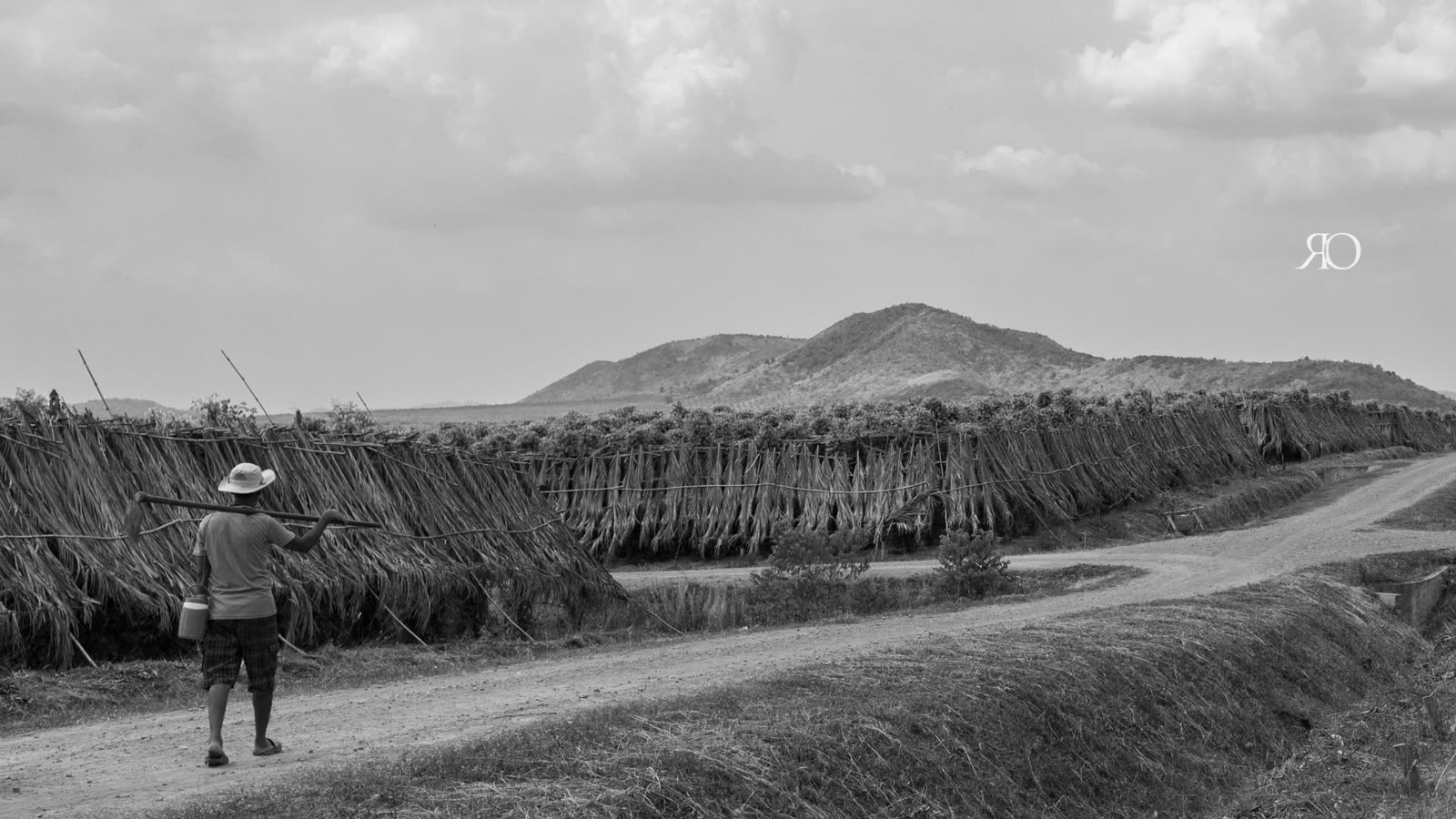
This is the Kampot day most visitors come for: flat paddies, sugar palms, pepper poles and limestone hills, usually reached by tuk-tuk or a booked driver. Treat it as one confirmed route, not a race around every pin.
Start with one confirmed pepper farm. Farms sit east of town or toward Kep, and they're not a shop stop in the old market. La Plantation in Bosjheng village publishes visitor information on its own site. Its official visitor page, checked on 10 November 2026, lists daily opening from 9am to 6pm, with the last standard visit at 4pm and the restaurant open from 7am to 3pm. It says you can walk in from April to October, but from November to March you should book a slot. Check the page again before you go. BoTree and Sothy's Pepper Farm are also listed. Read Before you book a pepper farm visit before you pay, and use the Pepper Country Day trail once the booking is clear.
Phnom Chhnork, also written Phnom Chhngok, is the cave temple east of town. It's a walk through paddies to a limestone cave with a pre-Angkorian brick shrine inside. Stay on the established visitor route and respect the shrine. A secondary source checked on 4 October 2026 placed it about 8 kilometres east of town and quoted a small entry estimate. That's a dated guide figure, not a confirmed current fee. Ask whether entrance or a local guide is included in your transport quote.
Secret Lake is the English nickname for the irrigation reservoir east of Kampot, also called Brateak Krola and similar spellings. It's an artificial lake dug in the late 1970s under the Khmer Rouge, now a quiet countryside stop. It's not Teuk Chhou and it's not the in-town lotus pond. Visit with care, and don't treat unverified death-count claims you may see online as established fact.
The salt fields lie south of town on the road toward Kep. They're working evaporation pans, not a ticketed park. In the drier months you're more likely to see work, white piles and open pans. In the wetter months the same grid can sit flooded or idle. Salt production here is generally tied to a dry-season window often described as running from around December into April or May, but the start and end follow the rain. Look from the public road unless you've been invited onto a track, and ask before photographing people.
You don't need every stop. A morning farm visit, one cave or the lake, and a short salt-field pause is a full day. Agree the actual stops, waiting time and return before you leave.
The river: boats, kayaks and Teuk Chhou
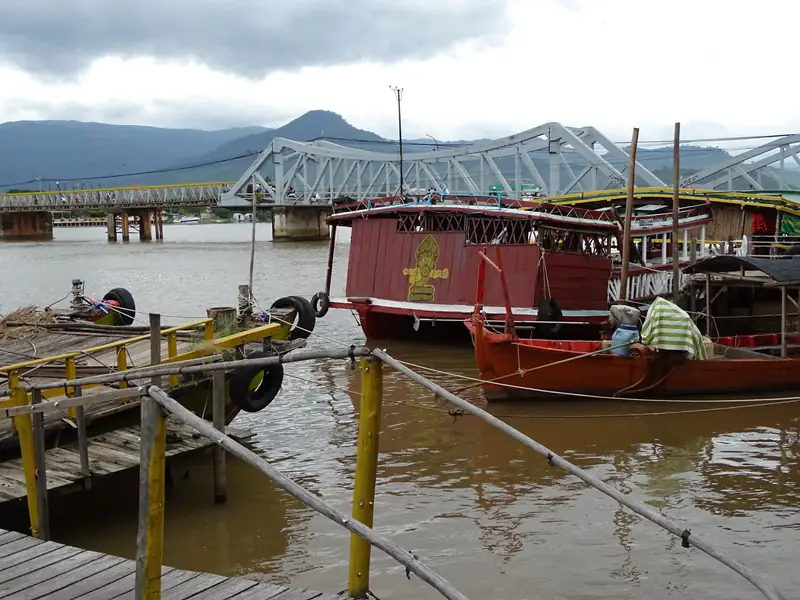
The Preaek Tuek Chhu, the river through Kampot, is the town's evening backdrop and a daytime outing in its own right. The riverside sunset and dinner trail follows the riverfront, including tables along Street 735. The Old Bridge is a landmark at the west side of the old-town grid, not a ticketed sight. Specify which bridge you mean, because a newer crossing sits farther north.
Shared and private boats leave from the riverside. Listed operators include Jasmine Boat Kampot, Friendly Boat Kampot, Kampot Dolphin Ecotours and Cruising Tiki Kampot. Confirm the departure point, whether a trip is shared or private, and what happens if the weather turns. Some trips are timed for late afternoon light. Fireflies are sometimes promised on dusk trips; they're not guaranteed, so go for the river and the sunset first. This guide doesn't publish a standard boat fare, because advertised prices change.
Kayaks and paddleboards are rented or guided upriver from some stays and operators. Visitors and tour pages use the name Green Cathedral for a shaded upriver channel. That name is informal. It's not a signed public park with published hours. Confirm the actual route with the operator, and go early or late if you want calmer water and less direct sun.
Teuk Chhou Rapids is a different stretch, about 8 to 9 kilometres north of town according to independent guides: a local picnic and swimming area where the river runs over rocks. It's not white water, and in drier months the flow can be gentle. Arrange the return ride rather than assuming a vehicle will be waiting. Watch for any dam-siren or water-release warnings described in that guide, and treat vendor prices and hut rentals as things to confirm on the day.
A day on Bokor Mountain
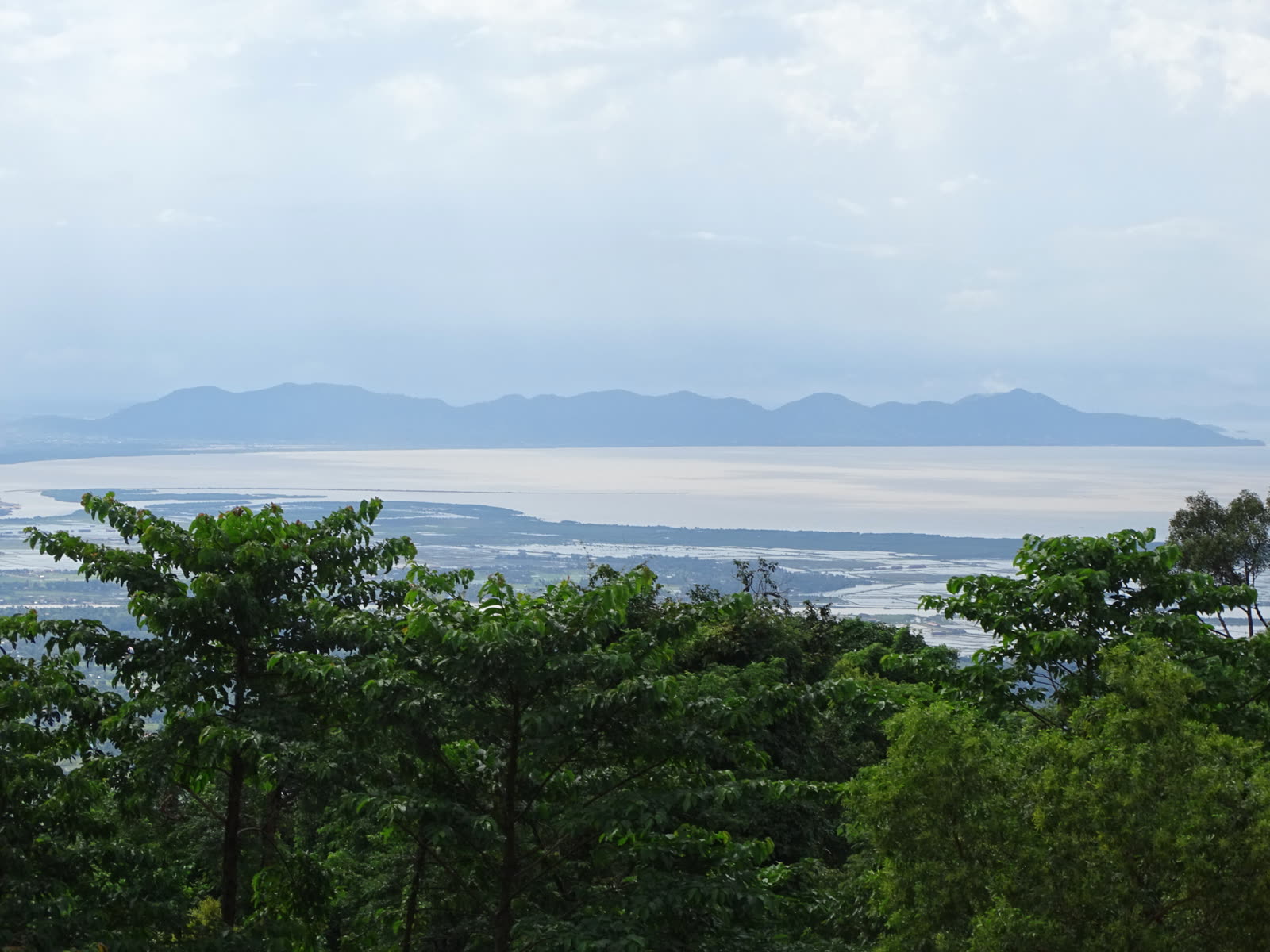
Bokor Mountain is the wider landscape inside Preah Monivong Bokor National Park, above Kampot. Bokor Hill Station is the historic summit area, not the whole mountain. The tourist map lists Bokor Hill Station at about 42 km by road from Kampot. That's a mountain day, not a short add-on after a farm visit.
Use the mountain hub and the stop guides rather than treating this paragraph as a complete Bokor article. Familiar stops include the old colonial church, Wat Sampov Pram, Popokvil Waterfall, the Black Palace, the Lok Yeay Mao statue on the climb, and the 108 m Buddha. Popokvil is more likely to be worth the detour after rain, and can be a trickle after a dry spell. Wet rock is also more hazardous, so check conditions.
Cloud and rain can sit on the plateau even when town is only grey. The upper area often feels cooler, so bring a layer. This site doesn't publish a park entrance fee or a standard tour price, because charges and access can change. Ask at the park approach and with your driver or tour, and keep any receipt. If you self-drive, confirm that the vehicle and your licence are suitable for the mountain road. See Kampot rentals.
In town: old streets, the night market and food
Give at least one slower morning or afternoon to the numbered streets. A slower first day in Kampot walks that grid. The old town cafe hop links listed cafes. The Kampot Museum and the Sras Chhuk lotus pond are possible daytime stops. Check the museum's status before making it a fixed plan, and remember that lotus blooms are seasonal.
Evenings split across two places that travel pages sometimes mix up. The night market on this site is the stall grid on Street 720, by the Durian Roundabout: snacks, fruit shakes, clothes and small goods, with no single official opening time for every stall. The riverfront along Street 735 is sit-down tables and a waterfront walk. Use Where to eat in Kampot for dishes, riverside rooms, cafes and vegetarian kitchens, and the restaurants and cafes hubs for maps and hours.
If you're still choosing a base, where to stay in Kampot compares Old Town, the riverside and upriver Teuk Chhou. Arrival details from Phnom Penh or Techo International Airport sit in the getting to Kampot guide, with the Royal Railway and Giant Ibis pages for those boarding points.
Toward Kep and Rabbit Island
Kep is a short road trip, about 25 km and about 30 to 45 minutes according to Canby Publications and Tourism Cambodia, usually along the road that also passes the salt fields. Many visitors stay in Kampot and go for a half day or a day.
Rabbit Island, or Koh Tonsay, sits off Kep, not off Kampot town. The usual route is road to the Kep pier, then a public or private boat. Buy at the official ticket office at the pier when you can, confirm the last boat back, and don't plan a tight onward connection the same afternoon. The dedicated Rabbit Island guide covers the crossing, a day trip versus an overnight, and what to expect on the beach.
Getting around
In Old Town, many evening stops work on foot once you know your pin. Almost everything else needs a ride. Agree the fare, the stops, waiting time and the return before you set off, and be clear about which cave, farm or bridge you mean.
For scooters and motorbikes, start with the rentals hub. Confirm licences, insurance and whether the machine is suitable for a mountain or countryside road. Bokor in particular isn't a casual town ride. For buses, trains and airport connections, use the transport listings and getting to Kampot. The practical guide covers ATMs, laundry and similar errands.
When the season changes what you see
Kampot is hot year-round. Rainfall is strongly seasonal. Independent climate summaries that use nearby stations, not a Kampot-town observatory, describe a drier spell roughly from November or December into April, and a wetter spell roughly from May into October or early November. Those sources don't agree on monthly totals or on which month is wettest, so this guide doesn't publish a rainfall table.
In the drier months the salt fields are more likely to be working, Bokor views are more often clear, and sea crossings toward Rabbit Island are typically calmer. In the wetter months the countryside is greener, Popokvil is more likely to flow, and afternoon storms can delay boats or hide the plateau. The night market, river walks and many kitchens still run in the rain. Build a little slack into any day that depends on a mountain view or a boat.
Places in this guide
Cards come from the directory. A missing or closed listing is left out. Hours and prices stay on the place page.
- Pepper farm · Pepper countryLa PlantationView listing
Pepper farm · Pepper countryBoTreeView listing
Pepper farm · Toward KepSothy’s Pepper FarmView listing
- Tour · Wider provinceJasmine BoatView listing
- Tour · Wider provinceFriendly BoatView listing
- Tour · Old TownKampot Dolphin EcotoursView listing
- Tour · Teuk ChhouCruising Tiki KampotView listing
Find them on the map
The directory map is the full set of pins. The sights and tours hubs are the filtered lists, with contacts and published hours.
Questions
What are the best things to do in Kampot?
Most visitors spend time on three outings: a countryside loop that can include a pepper farm, Phnom Chhnork cave, Secret Lake and the salt fields; a river evening by boat or kayak; and a full day on Bokor Mountain. In town, walk the old numbered streets, eat by the river, and see the Street 720 night market. This is a planning list, not a paid ranking. Open each linked guide or listing for the map pin and any published hours.
How many days do you need in Kampot?
Two or three full days covers the usual mix without rushing: one countryside day, one river or town day, and one Bokor day if you want the mountain. A single day only fits a short town walk plus one outing. Four days gives room for Teuk Chhou, a second cave, or a trip toward Kep and Rabbit Island. The practical 3-day Kampot itinerary on this site turns that split into a day-by-day plan.
What is Kampot known for?
Kampot is known for Kampot pepper, which has protected status, for the river that runs through town, and for Bokor Mountain rising behind it. The countryside east and south of town holds caves, an irrigation reservoir that visitors call Secret Lake, and working salt fields on the road toward Kep. Food is part of the same story: pepper dishes, Khmer kitchens and the evening market. See the food guide on this site for dishes and where to eat.
What can you do in Kampot at night?
Evenings in town usually mean a riverside table or a walk along the river, then the stall grid on Street 720, which this site treats as the night market. Those are two different places, not one market. Some visitors take a late-afternoon or sunset boat. Hours vary by kitchen and by stall, so check the listing or the business's own site, and keep a nearby alternative if a kitchen is closed.
What can you do in Kampot when it rains?
Stay in town: cafes, a museum visit if it's open that day, the food guide's indoor kitchens, or a slower old-town walk between showers. On Bokor, cloud and rain can hide views and make paths slippery, even when town is only grey. Popokvil Waterfall is more likely to flow after rain, but wet rock is also more hazardous, so check conditions and skip it if advice is against it. A pepper farm with an indoor tasting or restaurant can still work if you've confirmed the visit.
Is Kampot worth visiting?
Yes, if you want a slower riverside town, a pepper-farm visit, and easy access to caves, salt country and Bokor, rather than a beach resort. Kampot is a base, not a single ticketed sight. It pairs well with a short trip toward Kep and, if you want an island, Rabbit Island off Kep. If you only have one day between buses, pick either the countryside loop or Bokor, not both.
How do you get to a pepper farm from Kampot town?
Farms sit outside the old-town grid, east of town or toward Kep, so you need a tuk-tuk, a driver, a booked countryside tour, or suitable independent transport. Confirm which farm you will visit, the meeting point, waiting time and return before you pay. La Plantation in Bosjheng village publishes visitor hours on its own site. Its official visitor page, checked on 10 November 2026, lists daily opening from 9am to 6pm with the last standard visit at 4pm, and asks visitors to book a slot from November to March. Use the pre-booking notes and the Pepper Country Day trail on this site.
Can you visit Kampot and Kep in one trip?
Yes. Kep is about 25 km from Kampot, or about 30 to 45 minutes by road, according to Canby Publications and Tourism Cambodia. Many people stay in Kampot and go toward Kep for a half day or a day, often along the salt fields on the Kep road. Rabbit Island is reached by boat from Kep, not from Kampot town itself. Agree transport, waiting time and the return before you leave.
Is Kampot good to visit with children?
Several outings are gentle if you keep the day short and plan shade and water: a confirmed pepper-farm visit, a river walk, the lotus pond when it's in bloom, and a look at the salt fields from the public road. Caves involve uneven ground and, at Phnom Chhnork, a walk to a shrine inside a limestone hill. Bokor is a long mountain day. Boat trips and any swimming need the usual care around water. Check each guide for access notes rather than assuming a place is stroller-friendly.
How do you get around Kampot?
In the numbered Old Town streets, many evening stops work on foot once you know your pin. For farms, caves, the salt fields, Teuk Chhou and Bokor you'll need a tuk-tuk, a driver, a tour, or a rental that is suitable for the road. See the rentals hub and the transport listings, and confirm licences and insurance before a mountain or countryside ride. The Kampot tourist map and the map-planning blog help you group stops so you don't cross the province twice in a day.
Keep reading
- Rabbit Island (Koh Tonsay)The boat day from Kampot via Kep
- Where to eat in KampotDishes, riverside tables and the night market
- Bokor MountainA full day on the mountain
- 3-day Kampot itineraryThe same outings as a day-by-day plan
- Pepper country dayA confirmed farm loop outside town
- Kampot tourist mapHow the areas sit relative to each other
- SightsThe listings behind the outings
- ToursBoat and countryside operators
Photos: Adam Jones (CC BY-SA 2.0), Christophe95 (CC BY-SA 4.0), Reinhard Onasch (CC BY-SA 3.0), via Wikimedia Commons.